Swimming song
(L. Wainwright)
Rosie is an avid outdoor swimmer, and this whimsical song perfectly reflects the joy felt in a good summersworth of swimming! Originally by Louden Wainwright III, our version also takes inspiration from Kate and Anna McGarrigle. The tune that we play to accompany was co-written with our Teacups bandmate Alex Cumming after he heard us practising and asked to join in
Daddy Fox
(Trad.)
This traditional English ballad stretches back very far with the lyrics and melody changing many times over the years, but the narrative – of the wily fox stealing his dinner through pluck and cleverness, remains almost unchanged. It has inspired many versions including Roald Dahl for his book Fantastic Mister Fox.
Blue
(Trad.)
An earlier version of this album was conceptualised as a touring multimedia live-show all about the animal kingdom, and we would have been remiss if we didn’t acknowledge the animals we welcome in as members of our families and cherish as pets. This is a sad song all about a beloved hunting dog that sickens and dies and the deep grief that the singer feels. There are many different renditions of this song but our versions owes most to Peggy Seeger and her siblings rendition in Animal folk songs for children: Selected from Ruth Crawford Seeger’s Animal folk songs for children
Leatherwing Bat
(Trad.)
A theme that influenced the creation of this album is American versions of traditional British folk songs, and this song is no exception. Variously called Leather-wing bat, Bird’s Advice, The Hawk and the Crow and many other names, we pulled inspiration from many different renditions. Particularly notable was Wheeler Street’s version, from their 2009 album Roodumdah. It’s worth noting, this happens to be the first of two separate instances within this album of jaybirds wanting to marry young women. The second example occurring in Squirrel Is A Pretty Thing
The Bee-Boy’s Song
(R. Kipling, P. Bellamy)
This was originally a poem by Rudyard Kipling and was set to music by Peter Bellamy. It details one of our favourite bits of folklore – Telling The Bees. The idea that one who keeps bees should tell all the local news to their bees to keep them entertained. Otherwise they may find their hives abandoned and no honey left for them! Particularly momentous occasions such as births or deaths would even include a small offering of some wedding cake or funeral biscuits.
The Trooper and the Maid
(Trad.)
This is one of the older songs in our repertoire with some of the earliest examples collected in Scotland in the 1820s (and even a version from our home town Newcastle in the 1840s). Our version hails from North America and we learned it from the singing of Jeff Warner. We pared the arrangement right back, choosing to focus on clarity of tone and the strength of the narrative to communicate its message.
Squirrel Is A Pretty Thing
(Trad.)
This haunting melody captured us as soon as we heard it on Jeff Warner and Jeff Davis’s album Two Little Boys: More Old Time Songs for Kids and we had a wonderful time expanding the arrangement and creating the unsettling and grand sound we envisioned for this track.
The Herring Song
(Trad.)
We were particularly drawn to this song about the magical abundant properties of the herring, and how many things can be created from it, if you’re canny! We grew up hearing the traditional Tyneside version but very much enjoyed this different tune, from the singing of Eliza Carthy, and decided to put our own spin on it
The Hornet and The Beetle
(C. Gardiner, R. Vaughan Williams)
Another animal song – we decided to take a more pared-back approach to the arrangement in order to let the lyrics and story shine through. The petty squabbles between the titular beetle and hornet are really thrown into sharp relief when appealing to a higher authority ends terribly – a straightforward skewering of the justice system!
Bamfield’s John Vanden
(C. Frye)
Written by Chris Frye of Canadian band The Bills to honour his great-uncle. We put this arrangement together for Bie Daip shanty festival in the Netherlands, thinking it would be something different for a shanty crowd, only to arrive and hear Kimber’s Men also performing a version of it!
The Trawling Trade
(J. Conolly)
This song was originally written by John Conolly and Bill Meek and performed by Conolly and Pete Sumner on their album Trawlertown: The Singing of the Fishing. We particularly enjoy how well the steel pan comes alive during this driving nautical song.
Mariah’s Gone
(Trad.)
Another track that follows the theme of English folk songs that have made their way to pastures new – this version of Mariah’s Gone was collected in Cecil Sharp and Maud Karpeles’ English Folk Songs from the Southern Appalachians. Rosie learned this from James Fagan and Nancy Kerr at Folkworks summer school around 2005/2006. We love this mournful lament and really wanted to explore moments of dissonance with our harmonies
Weed’s Waltz/Oranges in Bloom/Beattie’s Waltz
(Trad., W. Finn)
This is a set of three waltzes that we both absolutely love. The first we learned during our time on Newcastle University’s Folk Degree from our dear friend concertina player Andy Parr. The second tune was originally a morris tune which has been ‘waltzified’, and we’ve loved it ever since we first heard it played by our bandmate Alex Cumming. We loved it so much, he even played it for the first dance at our wedding! The third waltz was written by Will for his aunt and uncle and we think it pairs wonderfully with the first two.
Lady, What Do You Do All Day?
(P. Seeger)
What can we say about the incredible Peggy Seeger who wrote this feminist anthem in 1979 – a legend in our lifetime whose songs are a gift to us all. We couldn’t resist putting our own take on this knowing criticism of the unequal split of domestic labour which remains almost as relevant 50 years later.
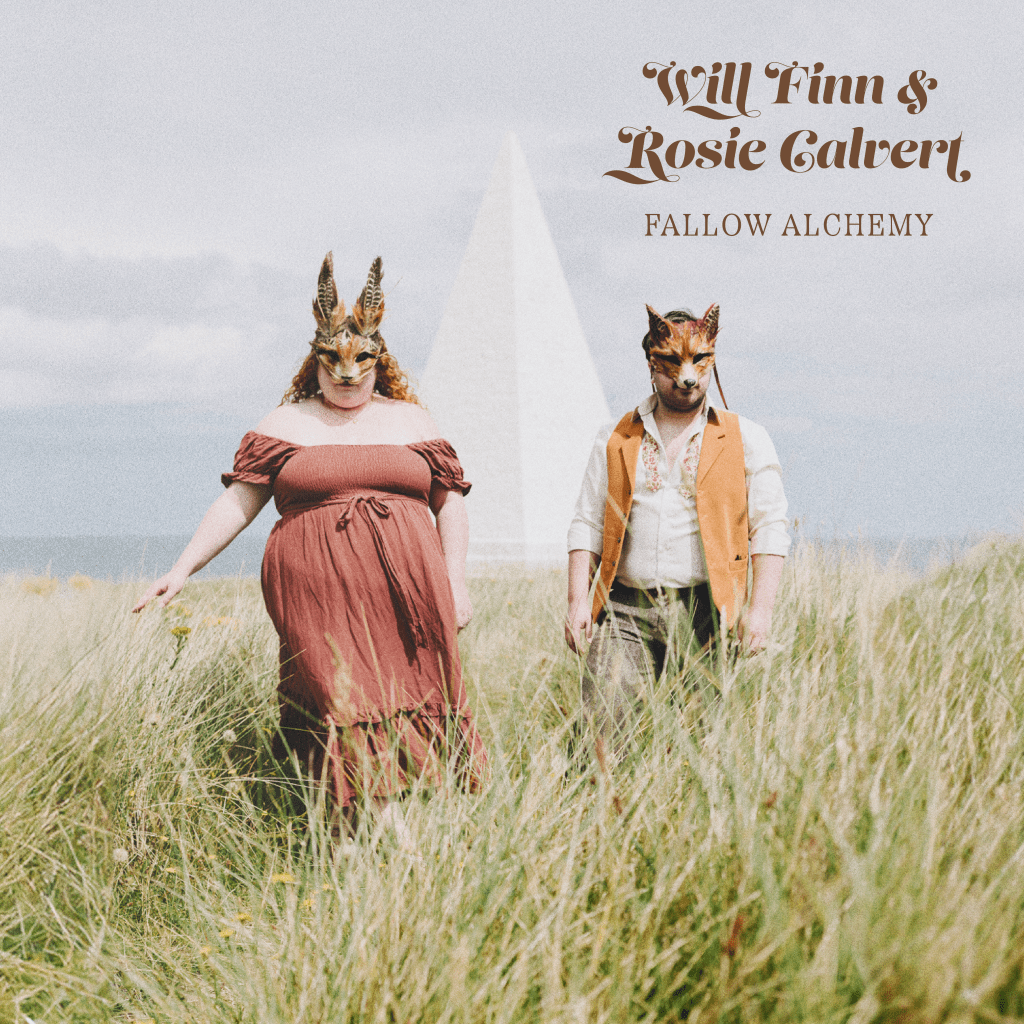
 Will Finn and Rosie Calvert